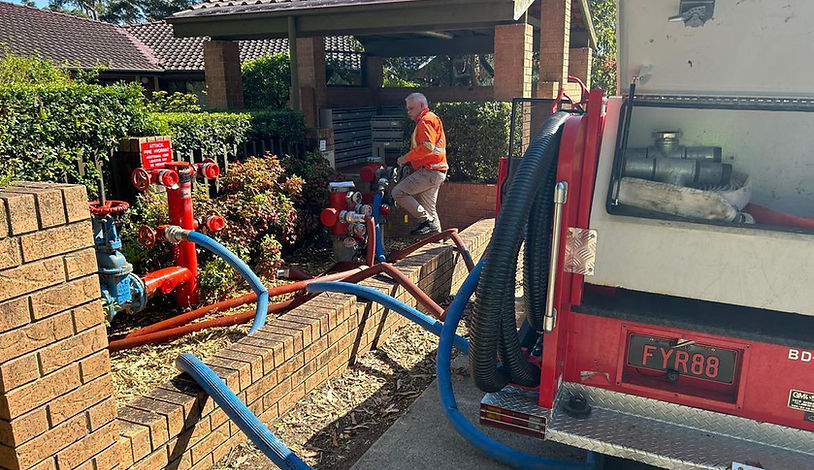
Overlooked fire maintenance creates major property risks every year. Managing a property does not end with installing a fire system. Ongoing inspections and routine maintenance are essential to ensure fire safety systems function properly when required.
Why Routine Testing Matters
A building’s fire protection system is only as reliable as its weakest component. A faulty valve, expired extinguisher, or dead battery can impact the effectiveness of the entire system during an emergency.
Routine fire and safety inspections help achieve three key objectives:
- Protect building occupants
- Reduce the risk of serious property damage
- Maintain legal compliance and avoid penalties
Missing scheduled inspections can lead to fines, insurance complications, and increased safety risks. For many Sydney properties, regular fire safety inspections in Sydney play an important role in meeting compliance obligations.
How the Inspection Process Works
A proper fire safety inspection follows a structured process rather than a simple visual assessment.
Before attending the site, technicians typically review the building’s inspection history, maintenance records, and previous defect reports. Understanding the building layout and system history helps identify recurring issues and areas requiring attention.
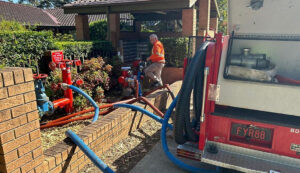
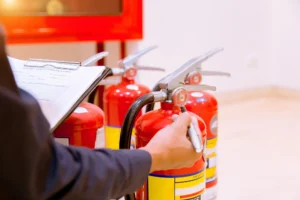
During the on-site inspection, fire protection systems are physically tested. This may include activating test alarms, checking pressure gauges, assessing emergency exits, and ensuring safety equipment is functioning correctly.
If any issues are identified, they are documented and prioritised. Critical defects requiring urgent attention are separated from general maintenance concerns. Once repairs and testing are completed, compliance documentation is issued to support Annual Fire Safety Statement (AFSS) requirements.
What Is Included in a Fire Safety Inspection?
A standard fire safety inspection generally covers several important areas:
-
Suppression Equipment
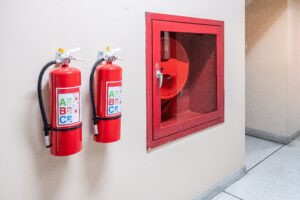
Fire extinguishers are checked to ensure they are correctly mounted, fully operational, and within compliance dates. Fire hoses may also be inspected for cracks, leaks, and proper nozzle functionality.
-
Alarm and Detection Systems
Testing typically includes fire alarm panels, smoke detectors, backup batteries, and emergency communication systems to confirm they are functioning correctly during emergencies.
-
Exits and Passive Fire Protection
Emergency exit lighting, fire doors, and evacuation pathways are inspected to ensure safe access during emergencies. Fire doors are tested for proper closing and sealing, while exit paths are checked for obstructions.
Staying Compliant
One of the biggest challenges for property owners and managers is keeping up with inspection schedules. Some fire safety systems require monthly testing, while others must be reviewed annually as part of compliance obligations.
Regular fire safety inspections help move properties from reactive maintenance to a planned compliance approach. Staying on top of inspections reduces uncertainty, supports legal compliance, and helps maintain a safer building environment.