If you manage a building in NSW and someone asks you when your last fire safety inspection in Sydney was completed, you should be able to answer that without digging through paperwork for twenty minutes. Most property owners cannot. That gap is where council fines and insurance headaches tend to live.
Here is what the process looks like in practice, what it costs, and why skipping it is one of the more expensive decisions a property owner can make.
What Does the Law Say?
NSW fire safety compliance sits under the Environmental Planning and Assessment Regulation 2021. For most Class 2 to Class 9 buildings, that means submitting an Annual Fire Safety Statement to council every twelve months. The statement is a formal declaration from a qualified fire safety practitioner confirming the building’s nominated safety measures have been inspected and are working properly.
Miss the lodgement window, and council has the authority to issue penalty notices. For corporations, those notices can be substantial under current legislation.
The properties this applies to cover a lot of ground:
- Residential apartment buildings (Class 2)
- Offices, retail spaces, hotels and motels
- Aged care facilities and hospitals
- Warehouses and industrial properties
- Gyms, sporting complexes, and educational buildings
Standalone Class 1 houses are generally outside the AFSS regime. But landlords renting out those properties still carry smoke alarm obligations at change of tenancy under the Residential Tenancies Act. That is a separate requirement, and it catches people out regularly.
What a Proper Fire and Safety Inspection Involves
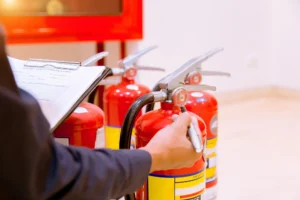
A lot of people picture an inspector glancing at a smoke alarm and ticking a box. A proper inspection is more involved than that, and the time it takes depends on how many nominated fire safety measures are on the building’s schedule.
The process generally includes checking:
- Smoke alarms and heat detectors for placement, sensitivity, and battery condition
- The main fire indicator panel, if present
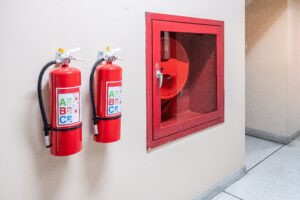
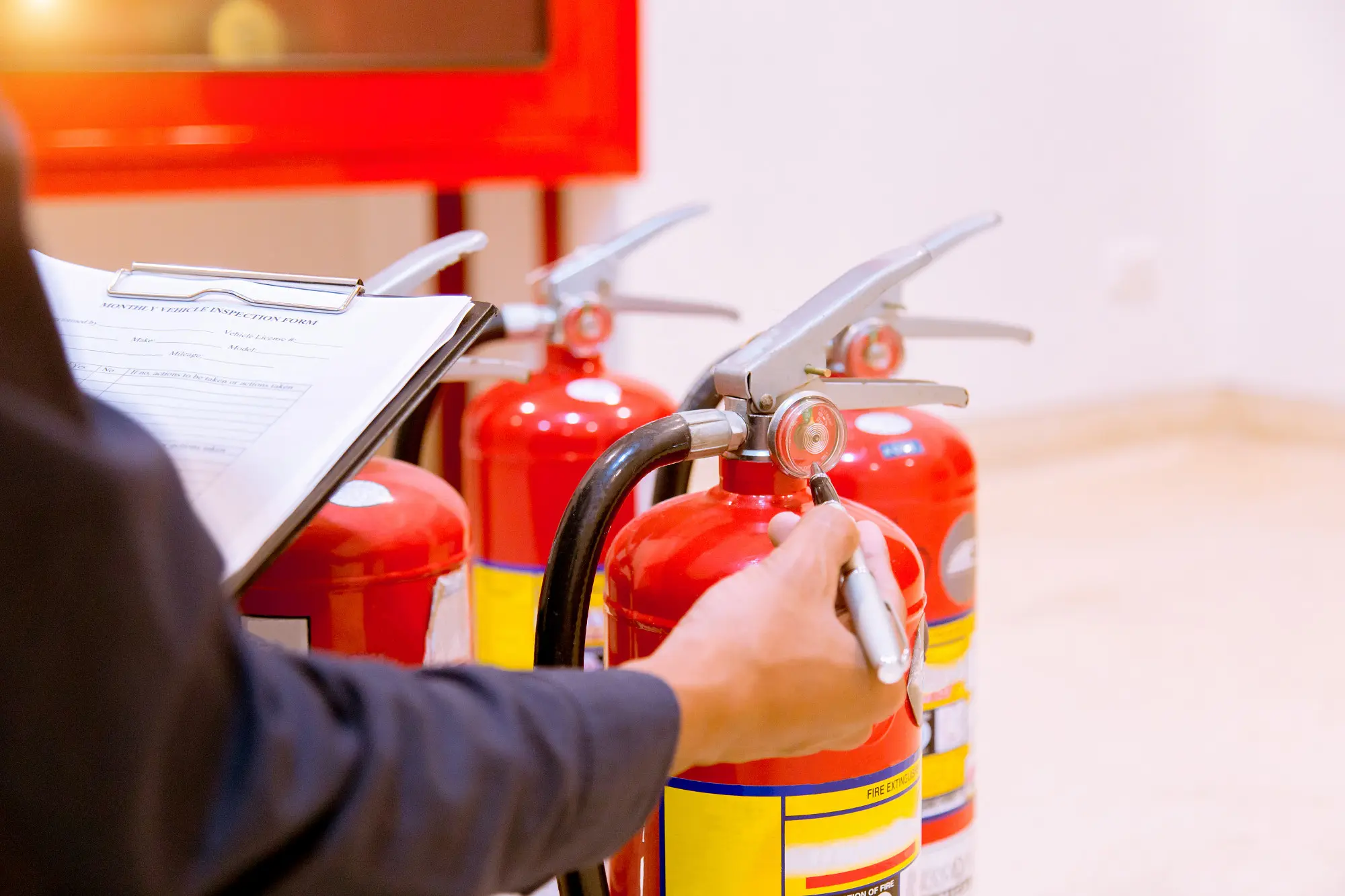
- Fire extinguishers, pressure readings, and current service tags
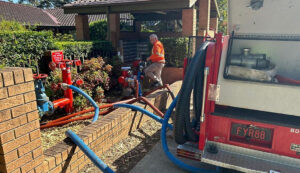
- Hose reels and hydrant systems for operational readiness
- Sprinkler coverage and head condition, if installed
- Emergency and exit lighting for battery backup function
- Self-closing fire doors, seals, and hinge condition
- RCDs manually tripped to verify correct operation
- Evacuation routes for clearance and signage legibility
After the inspection, you get one of two things. A compliance certificate or a defect report with items that need rectifying before certification is issued. A good inspector writes up the defects properly. One who passes everything without flagging marginal items is not doing you a favour; they are leaving you exposed.
What Does It Cost, Realistically?
This varies more than most people expect.
For residential rental properties, annual smoke alarm compliance packages in NSW tend to run from around $90 to $130 per property. That covers testing, battery replacement, and a compliance certificate with an audit report including photos. Some providers include blind compliance and safety switch testing in a combined package at the higher end.
Commercial properties are priced differently. The cost depends on the building size, the number of nominated measures on the fire safety schedule, and how complex the installed systems are. A small retail tenancy with basic detection and two extinguishers costs considerably less than a multi-storey office with sprinklers, a fire indicator panel, and pressurised exit stairs.
For fire safety inspections in Sydney across mid-size commercial properties, annual inspection and certification costs can range from a few hundred dollars to several thousand for larger or more complex buildings. When comparing quotes, make sure both quotes are covering the same scope. A quote that excludes defect reporting or documentation is cheaper on paper and more expensive in practice.
The Part Most Owners Get Wrong
Passing an annual inspection does not mean the system will perform correctly in month nine of that twelve-month cycle.
Good fire safety maintenance in Sydney means running maintenance between inspection dates, not just cleaning things up before the inspector arrives. Battery replacements on a fixed schedule before alarms start chirping. Extinguisher re-gassing on programme. Fire doors checked after any nearby building works that could have affected door frames or closers.
Properties that consistently pass fire safety inspections in Sydney without surprises are the ones where someone has actual operational accountability for the system across the full year. Not just at inspection time.
One Thing Worth Being Direct About
Fire safety compliance is treated as an overhead cost in most property budgets. That framing is understandable. It is also short-sighted.
A property with a current AFSS, documented maintenance records, and no outstanding defects processes insurance claims more cleanly. It satisfies commercial tenant due diligence requirements. It does not generate emergency rectification costs.
The inspection is due twelve months after the last one. It does not hold.
Priority Fire Systems provides fire safety inspections in Sydney for residential, commercial, aged care, hospitality, and industrial properties across NSW. If your Annual Fire Safety Statement is coming up or you need to understand what your current fire safety schedule requires, contact the team